Source animal feed manganese sulfate monohydrate for Poultry Livestock Aquatic Animals
Compare 30 listings of animal feed manganese sulfate monohydrate from verified Chinese suppliers. Buyers can evaluate purity levels, packaging options, and certifications like ISO and RoHS for poultry, livestock, and aquatic applications.
Key considerations
Products List




Comprehensive Sourcing Guide
Animal Feed Manganese Sulfate Monohydrate Sourcing Guide
Sourcing manganese sulfate monohydrate for animal feed requires a disciplined approach to verifying chemical identity, purity, and physical form. Buyers must distinguish between monohydrate and other hydration states, as the water content directly affects the elemental manganese percentage and dosing accuracy. The core keyword for this procurement category is animal feed manganese sulfate monohydrate, which signals a specific chemical structure (MnSO4·H2O) intended for nutritional supplementation in livestock, poultry, and aquatic species. Procurement teams should prioritize suppliers who explicitly state the hydration state in their product models and technical data sheets to avoid formulation errors that could lead to mineral deficiencies or toxicities in feed mixes.
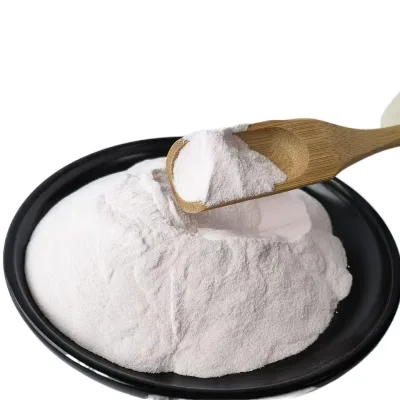
The market landscape for this commodity is characterized by a wide range of product grades, from industrial to food-grade, necessitating strict filtering during the sourcing phase. Observed listings indicate that products are often categorized under broad terms like "Manganese Sulfate" or "Slow-Release Trace Element Additives," which can obscure the specific hydration level required for feed applications. Buyers must navigate these generic labels by demanding precise chemical specifications, such as the CAS number 7785-87-7, to confirm the material identity. Additionally, the physical appearance, typically described as pink powder or granules, serves as a primary visual indicator, but it must be corroborated by laboratory analysis to ensure consistency and absence of contaminants.
Product Scope and Observed Listing Signals
The observed product scope reveals a diverse array of manganese sulfate offerings, with significant variation in purity, particle size, and packaging formats. Listings frequently cite purity levels ranging from ≥99% to specific elemental manganese contents such as 31.8%, reflecting the difference between high-purity reagent grades and agricultural or feed-grade formulations. Buyers should note that some products are labeled with CAS number 10034-96-5, which corresponds to manganese sulfate heptahydrate, a different hydration state than the monohydrate required for many precise feed formulations. This discrepancy highlights the critical need to verify the exact chemical formula, often listed as MnSO4·H2O, to ensure the purchased material matches the nutritional requirements of the target animal species.
Packaging and physical form are also key signals that influence handling, storage, and integration into feed production lines. Common packaging options observed include 25kg bags, ranging from kraft paper to plastic woven bags with PE lining, as well as drums and smaller 1kg bags for laboratory or small-scale use. The choice between powder and granular forms impacts dust control and mixing efficiency in feed mills, with granular forms often preferred for reducing segregation and improving flowability. Buyers should assess whether the supplier offers customization in packaging to match their logistical capabilities, as improper packaging can lead to moisture absorption, caking, or degradation of the active ingredient during transit and storage.
Technical Specifications to Verify
Verification of technical specifications must begin with the confirmation of the chemical grade and standard. While some listings mention "Food Grade" or "Industrial Grade," feed applications typically require compliance with specific feed additive standards, which may overlap with food-grade purity but must be explicitly certified for animal consumption. Buyers should request documentation that confirms the product meets the relevant national or international feed additive standards, ensuring that heavy metal limits and impurities are within safe thresholds for animal health. The presence of certifications such as ISO, RoHS, and CE can indicate a supplier’s commitment to quality management systems, but these do not automatically guarantee feed-grade compliance, so specific feed standards must be verified separately.
Particle size and solubility are critical technical parameters that affect the uniformity of mineral distribution in feed mixes. Specifications such as "80mesh" or "98%min" purity provide baseline expectations, but buyers should also inquire about the release type, whether quick or slow-release, to align with the nutritional strategy for the target animals. For compound fertilizers or specialized additives, the nutrient composition and compound type, such as soluble inorganic salts, must be clearly defined to ensure compatibility with other feed ingredients. Buyers should require batch-specific test reports that confirm the manganese content, moisture levels, and water insoluble matter to prevent variability in feed quality.
Compliance and Safety Documentation
Compliance with safety and regulatory standards is non-negotiable for animal feed ingredients. Buyers must ensure that suppliers provide comprehensive safety data sheets (SDS) that detail handling precautions, storage conditions, and first-aid measures. The presence of certifications like CIQ and CCIC suggests that the supplier has undergone inspection and quarantine procedures, which is particularly important for imports from China, a major production hub for manganese sulfate. However, buyers should verify that these certifications are current and applicable to the specific product batch, as they may not cover all regulatory requirements in the destination country.
Traceability and origin documentation are essential for maintaining supply chain integrity and meeting audit requirements. Products originating from regions like Lianyungang or Jiangsu in China should be accompanied by certificates of origin and detailed manufacturing records. Buyers should also check for the presence of an EINECS number, such as 232-089-9, which confirms the substance is registered in the European inventory of existing commercial chemical substances, facilitating smoother customs clearance in regulated markets. Ensuring that all documentation is consistent across the supply chain helps mitigate risks related to regulatory non-compliance and product recalls.
Cost Drivers and Commercial Terms
Cost structures for manganese sulfate monohydrate are influenced by raw material availability, production scale, and packaging requirements. The observed price range of $0.35 to $9,000 USD reflects the vast difference between bulk industrial grades and small quantities of high-purity or specialized feed-grade products. Buyers should analyze the cost per unit of elemental manganese rather than the total price per bag to make accurate comparisons between different suppliers and product grades. Volume discounts and tiered pricing models are common, so negotiating based on projected annual consumption can lead to significant savings and more stable supply agreements.
Minimum order quantities (MOQ) and payment terms are key commercial factors that impact cash flow and inventory management. MOQs can range from 1 kg for sample orders to 25,000 units for bulk shipments, requiring buyers to balance order size with storage capacity and turnover rates. Buyers should clarify whether the quoted price includes packaging, freight, and insurance, as these variables can significantly affect the landed cost. Establishing clear terms for quality disputes, returns, and liability for non-conforming products is essential to protect against financial losses due to supply chain disruptions or quality issues.
Supplier Qualification and Quality Control
Supplier qualification involves a thorough assessment of manufacturing capabilities, quality control processes, and financial stability. Buyers should prioritize suppliers who have established quality management systems certified by ISO and who conduct regular internal testing of raw materials and finished products. Requesting references from existing clients in the animal feed industry can provide insights into the supplier’s reliability, consistency, and responsiveness to technical queries. Additionally, verifying the supplier’s ability to provide customization, such as specific packaging or blending services, can indicate their flexibility and commitment to meeting diverse customer needs.
Quality control measures should include pre-shipment inspections and third-party testing to ensure product consistency. Buyers should implement a robust incoming quality control protocol that includes sampling and testing for manganese content, moisture, and impurities upon receipt. Establishing a long-term partnership with a supplier who offers transparent quality reports and is willing to accommodate random audits can enhance supply chain resilience. Regular performance reviews based on delivery times, product quality, and customer service help maintain high standards and identify areas for improvement in the supplier relationship.
Long-Term Procurement Checks
Long-term procurement success depends on continuous monitoring of market trends, regulatory changes, and supplier performance. Buyers should stay informed about shifts in raw material prices, production capacities, and new regulatory requirements in key markets to anticipate potential disruptions. Developing a diversified supplier base can mitigate risks associated with single-source dependencies, ensuring continuity of supply even if one supplier faces operational challenges. Regularly updating technical specifications and compliance requirements in procurement contracts ensures that the supplied materials remain aligned with evolving industry standards and animal health guidelines.
Sustainability and ethical sourcing practices are increasingly important considerations for long-term procurement strategies. Buyers should evaluate suppliers’ environmental management systems and their efforts to reduce waste and energy consumption in production. Engaging with suppliers who demonstrate a commitment to sustainable practices can enhance brand reputation and meet the growing demand for responsibly sourced ingredients. Building a collaborative relationship with suppliers, involving joint improvement initiatives and open communication, fosters innovation and resilience, positioning the procurement function as a strategic partner in achieving business objectives.
FAQs
What is the chemical formula for animal feed manganese sulfate monohydrate?
The chemical formula is MnSO4.H2O. This compound serves as a vital source of manganese for livestock, poultry, and aquatic animals. It supports metabolic functions and bone development. The product is available in powder or granular forms with pink coloration. Purity levels typically reach 99% or higher for industrial and feed applications.
Which certifications are required for feed grade manganese sulfate?
Common certifications include ISO, RoHS, CE, CIQ, and CCIC. These ensure compliance with international safety and quality standards. Food grade and industrial grade variants may carry specific regulatory approvals. Buyers should verify that the supplier holds valid documentation for the intended application, whether for human consumption or animal feed additives.
How is animal feed manganese sulfate monohydrate packaged for shipment?
Standard packaging includes 25kg bags made of kraft paper or plastic woven bags with PE lining. Some suppliers offer 1kg bags or 25kg drums for smaller quantities. The packaging protects the powder or granular product from moisture and contamination. Proper sealing ensures the stability of the manganese sulfate during transport and storage.
Can suppliers customize the mesh size or purity of manganese sulfate?
Yes, customization is available for various specifications. Products may be offered in 80mesh or other particle sizes to suit mixing requirements. Purity levels can range from 30% to 99% depending on the grade. Buyers can request specific formulations for fertilizer, feed, or industrial uses to meet precise operational needs.
What are the primary applications of manganese sulfate in agriculture?
It is widely used as a trace element additive for poultry, livestock, and aquatic animals. The product also serves as a fertilizer for fruits, flowers, and vegetables. As a soluble inorganic salt, it provides quick-release manganese to correct deficiencies. This supports healthy growth and improves crop yield and animal health outcomes.
Where is animal feed manganese sulfate typically manufactured?
Major production originates from China, specifically in regions like Jiangsu and Lianyungang. These areas host numerous manufacturers specializing in chemical additives and fertilizers. Buyers can source products directly from these hubs to access competitive pricing and bulk availability. The geographic concentration facilitates efficient logistics for international shipments.